Case study · AI film & visual direction
The Man Who Remained Seated
A 1940s film noir shot without a train, a set, actors or a crew. A short story of mine, turned into a 2:33 short film where every shot was generated with AI, and where the hardest part was not making images, but keeping the same people in the same compartment from the first frame to the last.
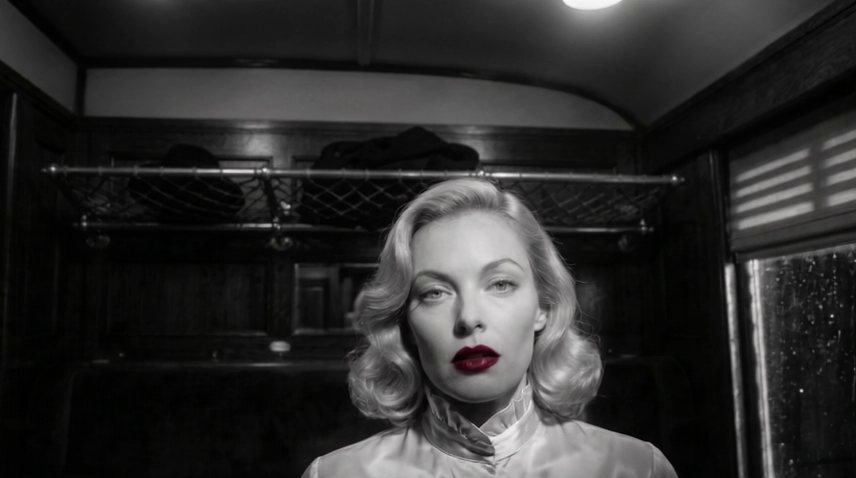
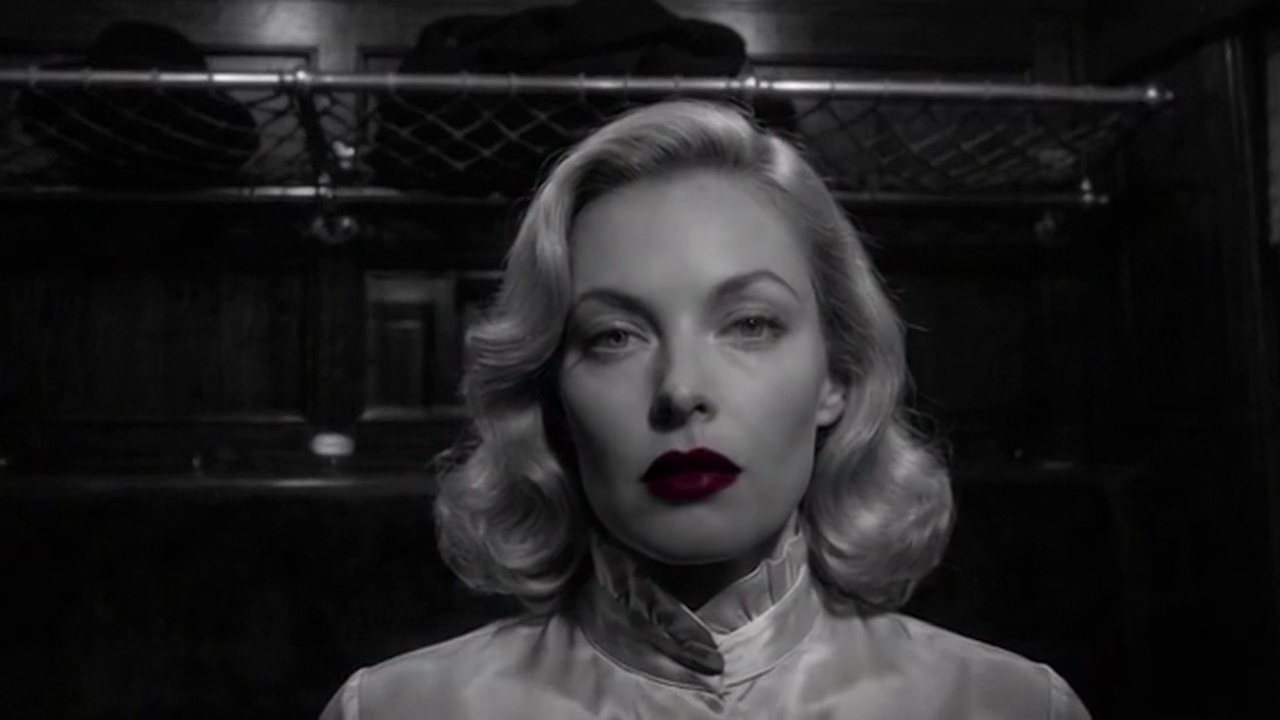
The reveal, shot 7: the only colour in the film belongs to her.
01The starting point
A story written to a word limit
“La dama del tren” (The Lady on the Train) was born in 2012 for a short-story contest that asked for two versions: one of 99 words and a longer one, also limited. The two even end differently. Fourteen years later I wanted to turn it into the film noir it always looked like in my head, with hard light, a voice-over and a stranger you cannot take your eyes off.
The long version · ending
—¿Es esto suyo, caballero?
No, claro que no era mío, era de la chica. De esa preciosa chica. La chica del cabello rubio, los enormes ojos azules, los labios de color borgoña. […]
—Sí.
“Is this yours, sir?”
No, of course it wasn’t mine, it was the girl’s. That beautiful girl’s. The girl with the blonde hair, the huge blue eyes, the burgundy lips. […]
“Yes.”
The 99-word version · ending
Antes de que me diera tiempo a pensar en qué estaba ocurriendo, la chica se dirigió a la puerta. Me lanzó un beso antes de marcharse.
Before I had time to think about what was happening, the girl went to the door. She blew me a kiss before she left.
The film follows the long version: the whole story hangs on one word.
02From story to storyboard
Rules before images
AI video models invent whatever you leave open, so I designed the film like a 1940s studio picture with strict rules, and only then generated anything. I developed the first storyboard with Claude from my story: 17 shots, one small compartment fixed to the centimetre, and a style guide for light, lenses and colour.
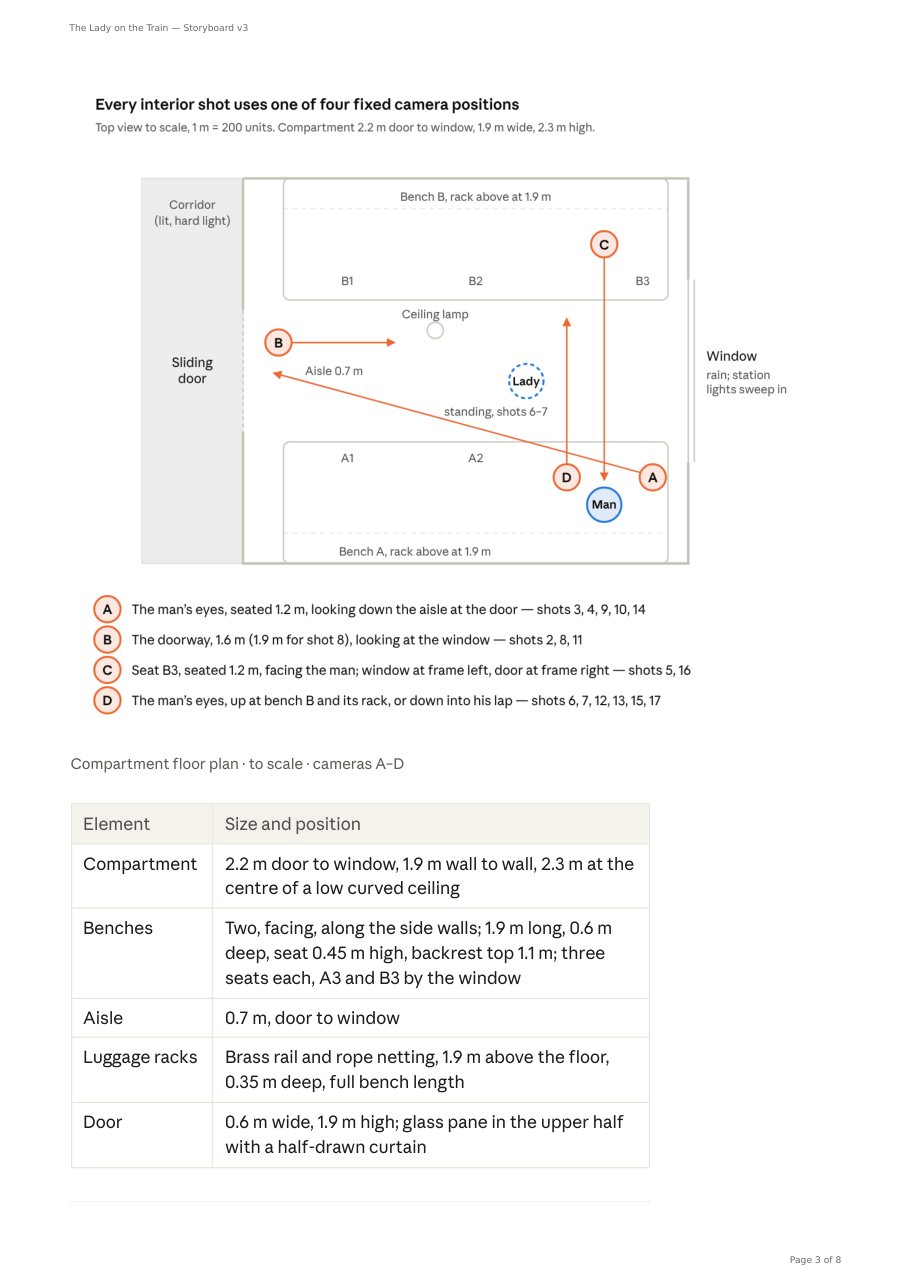
The compartment to scale: 2.2 × 1.9 m, benches, racks, door and window, and the four camera setups.
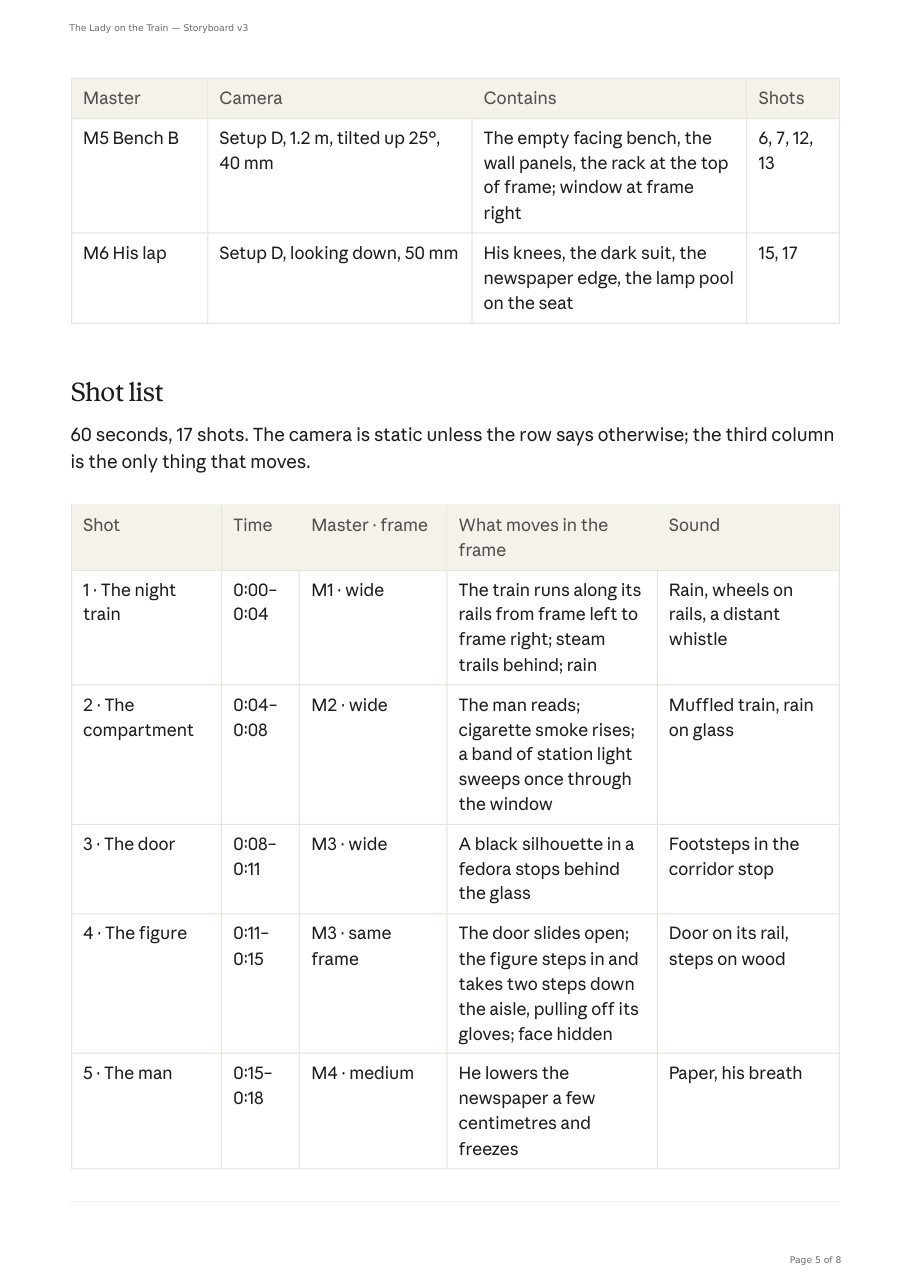
Part of the shot list: for each shot, its master image, what moves inside the frame and the sound.
03Casting and set
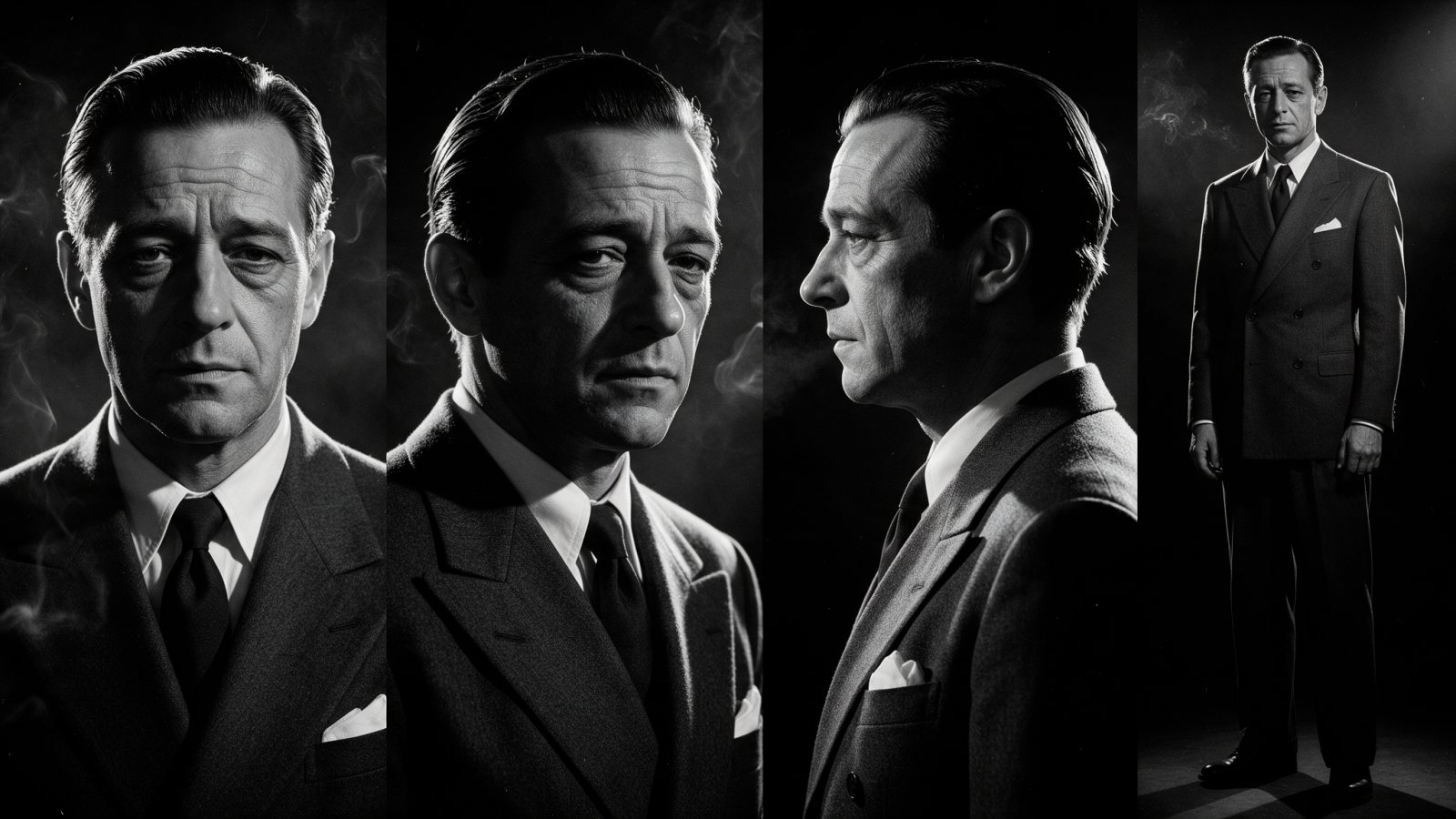
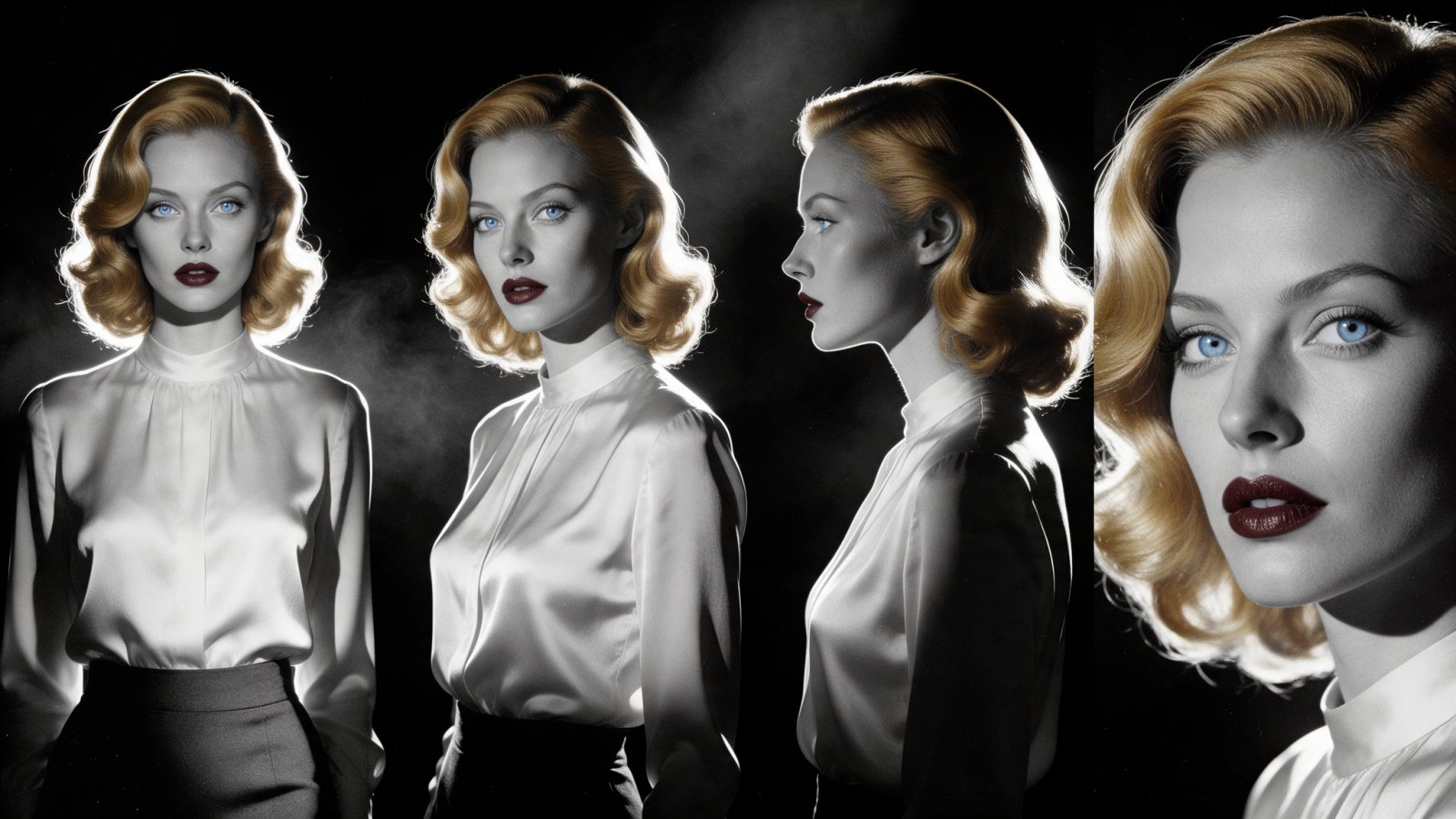
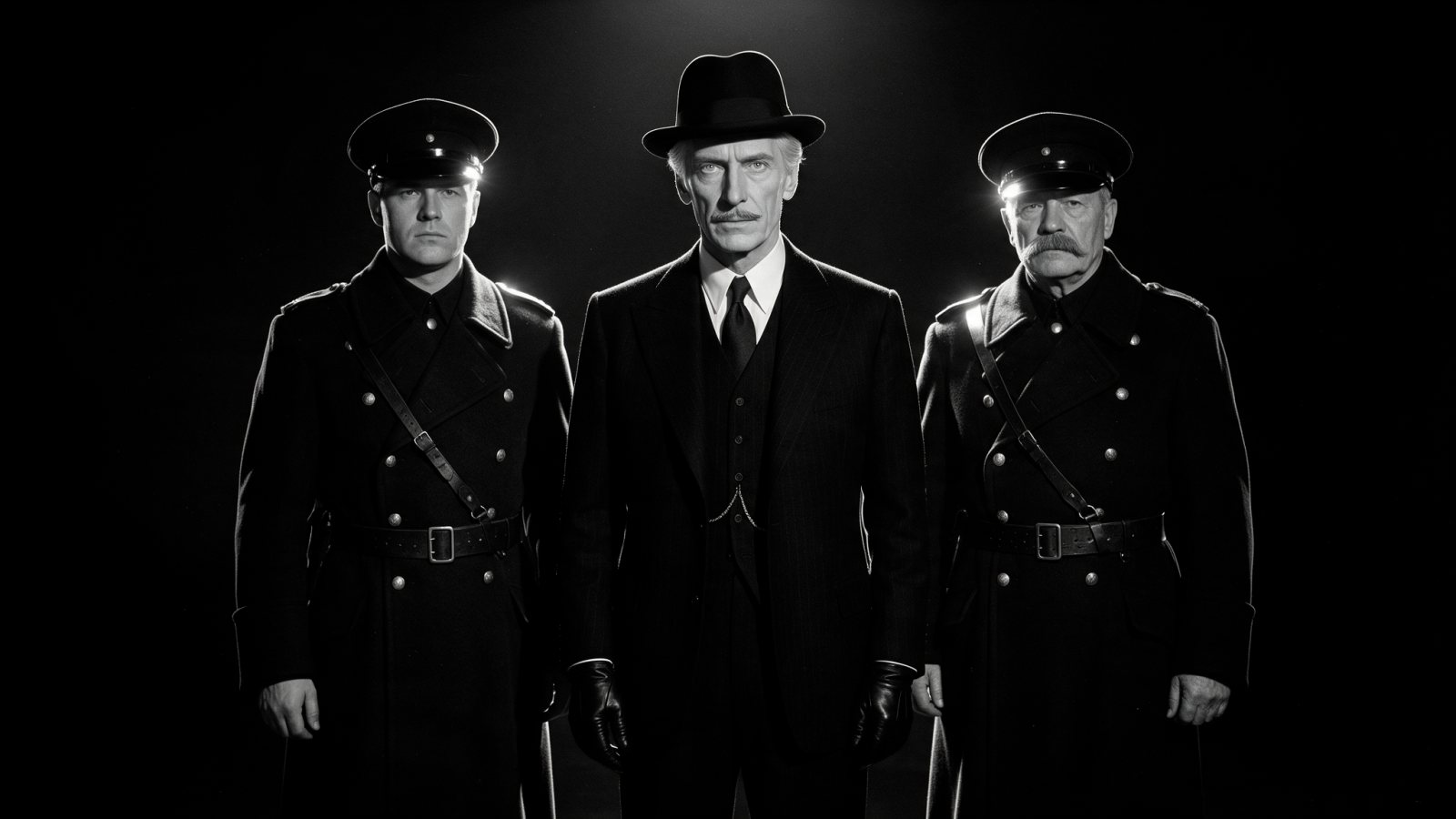
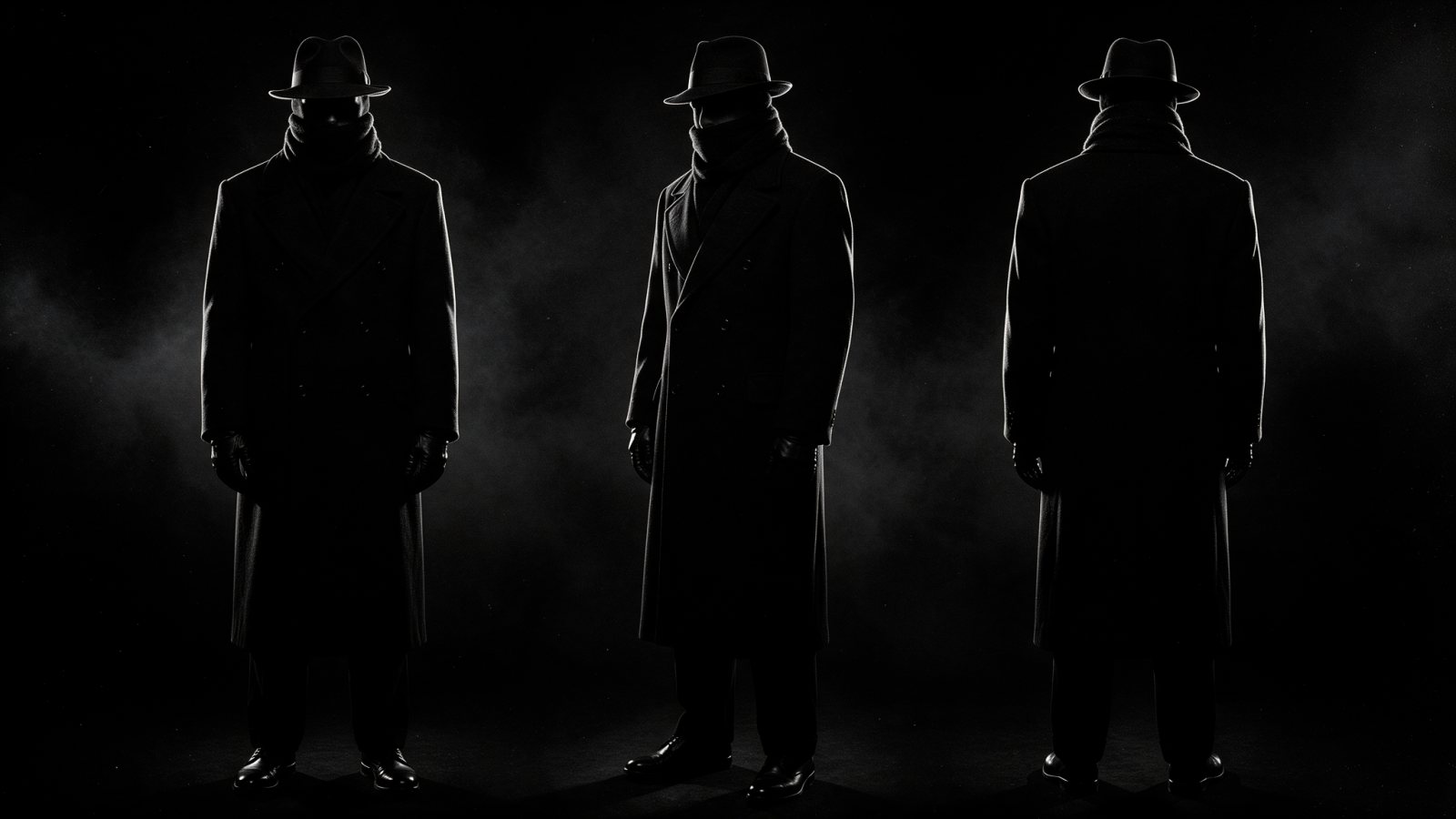
The cast and the compartment, designed once
Before any shot, every character got a reference sheet with front, three-quarter and profile views and a period wardrobe, and the compartment got its master images. Every later shot was built from these references, so the man, the lady and the train stay the same person and the same place for the whole film.
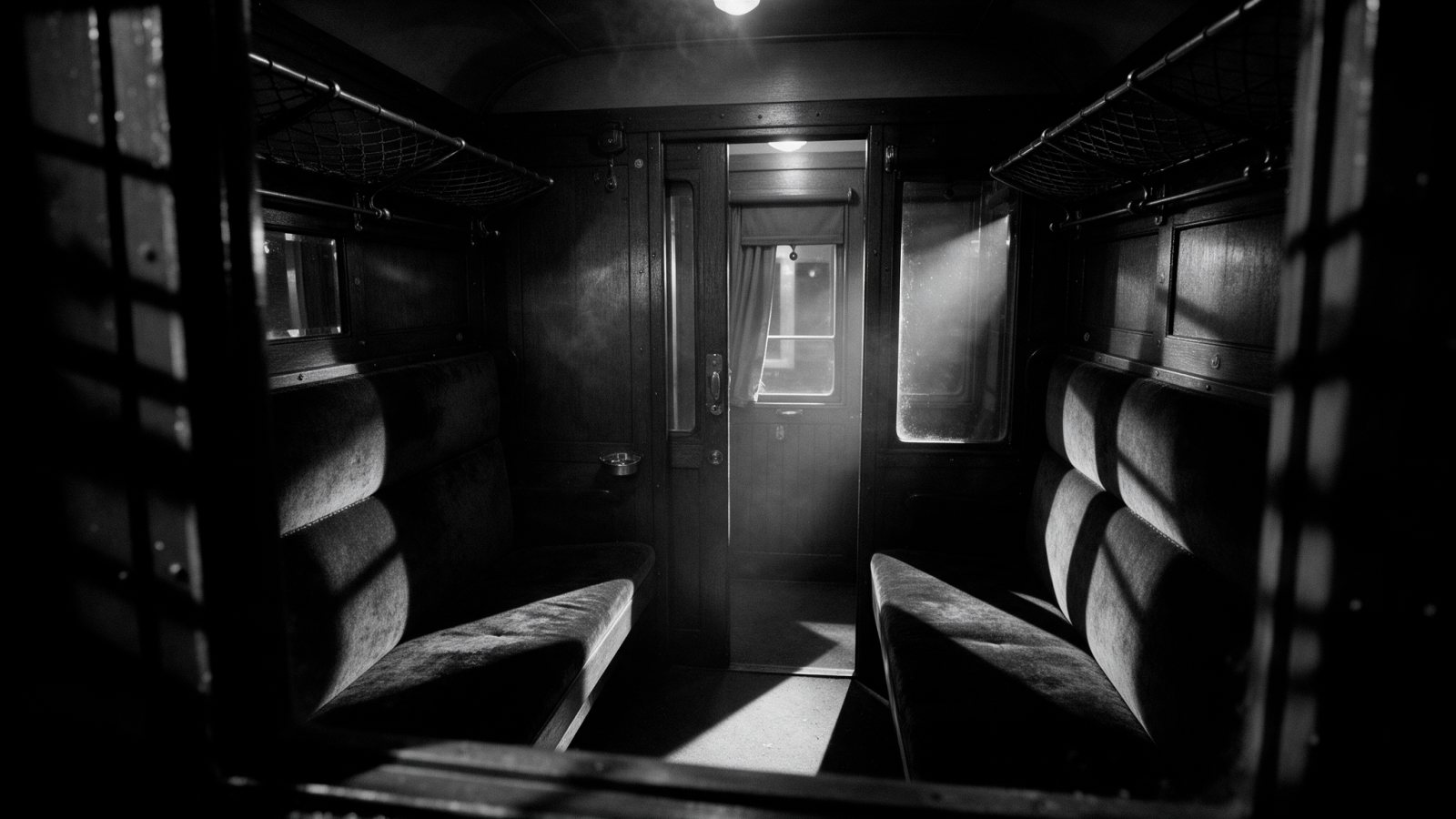
Master image: the empty compartment towards the door.
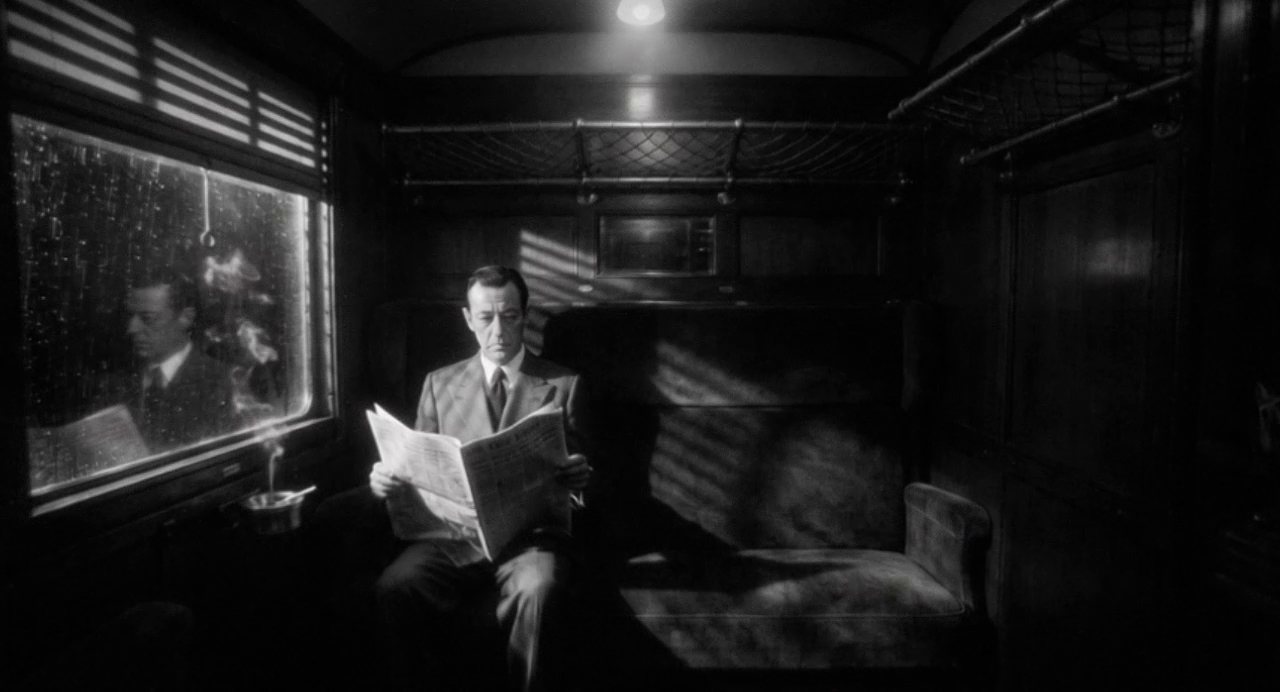
The same compartment in the film, with the narrator in his seat.
04Directing the AI
The model is the camera and the cast. Every decision stays mine.
Each shot had its own prompt naming the master image, the camera height, the lens, the light source and one single action. Nothing was animated until its still frame was approved.
05From draft to final
Knowing what is wrong
Most shots in the film were settled in one to three video drafts. The exception was the hardest kind of shot for these models: two bodies in contact. Her head resting in his lap is exactly where AI breaks anatomy, poses and continuity.
The skill is not getting it on the first try. It is spotting what is wrong, naming the exact correction, and approving nothing until it holds.
In his lap: what failed, and the fix I asked for
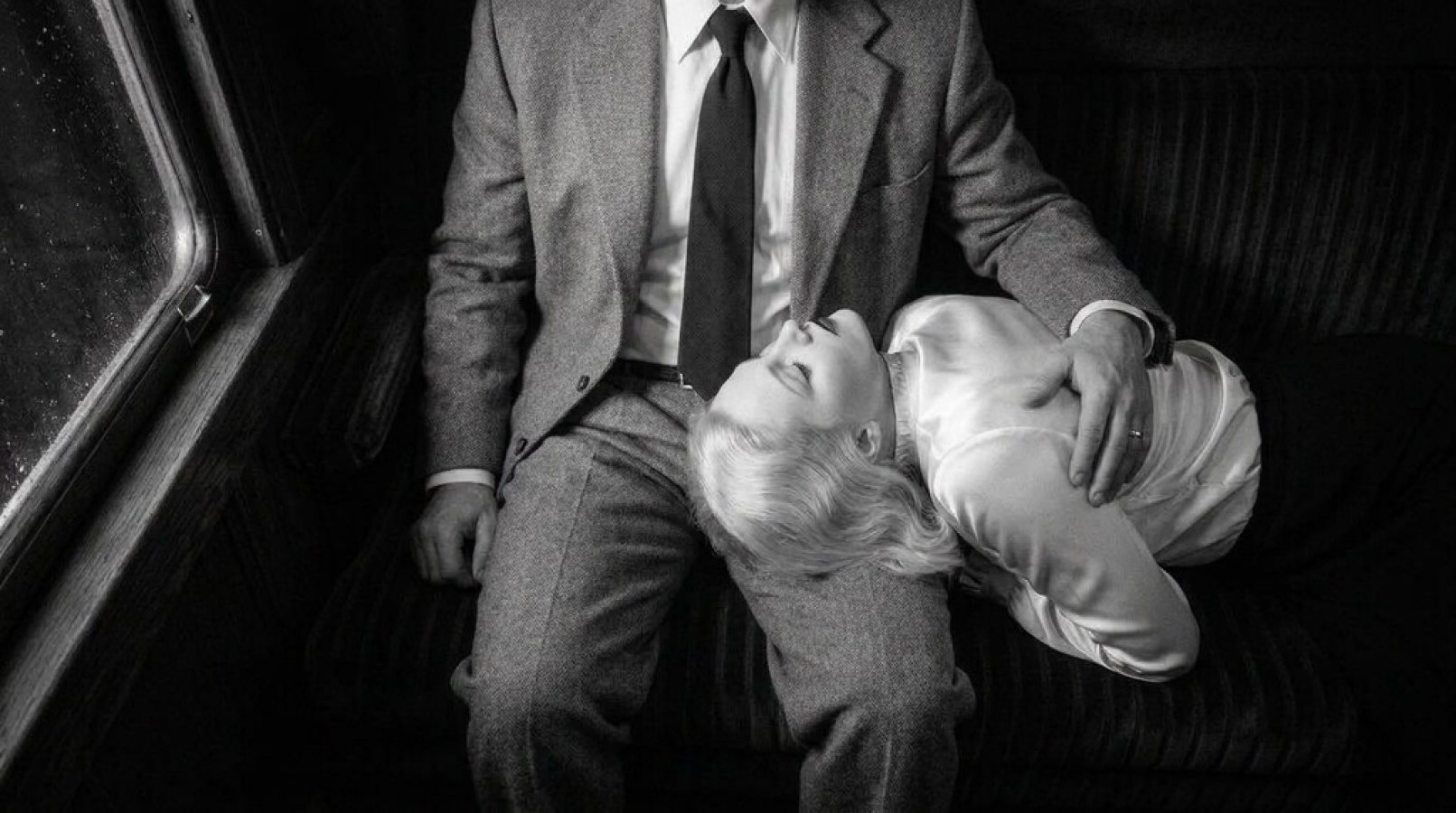
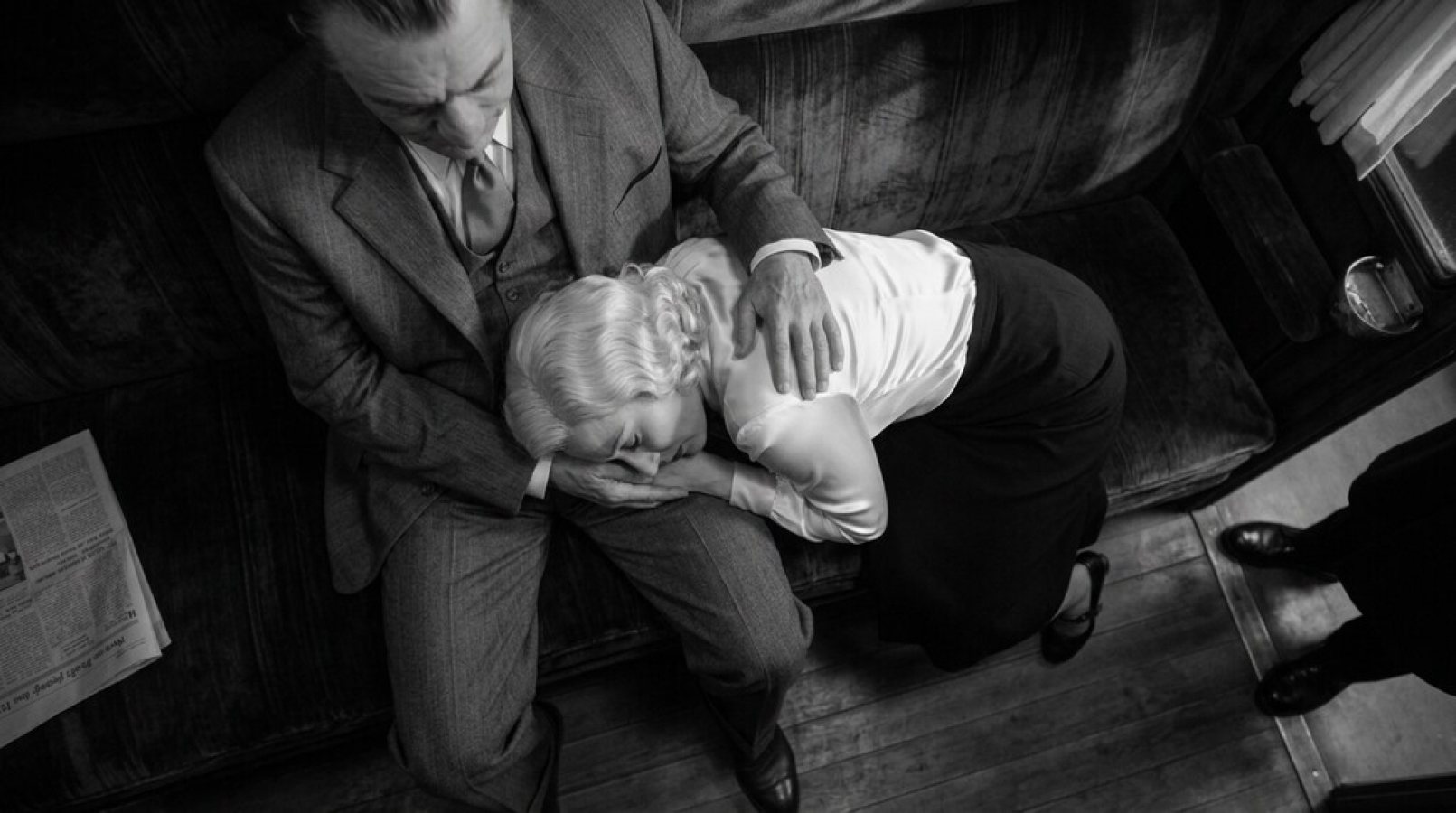
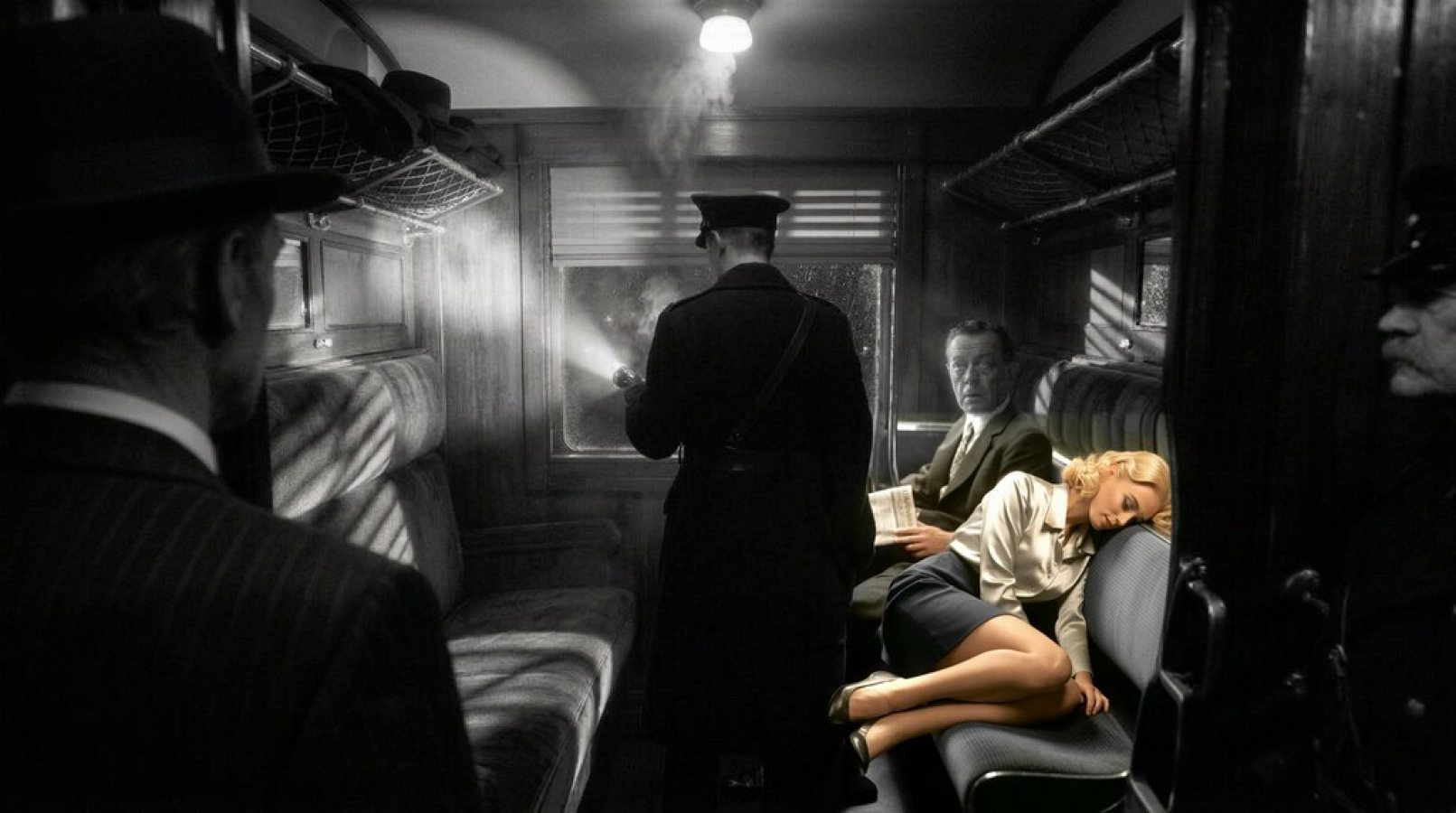
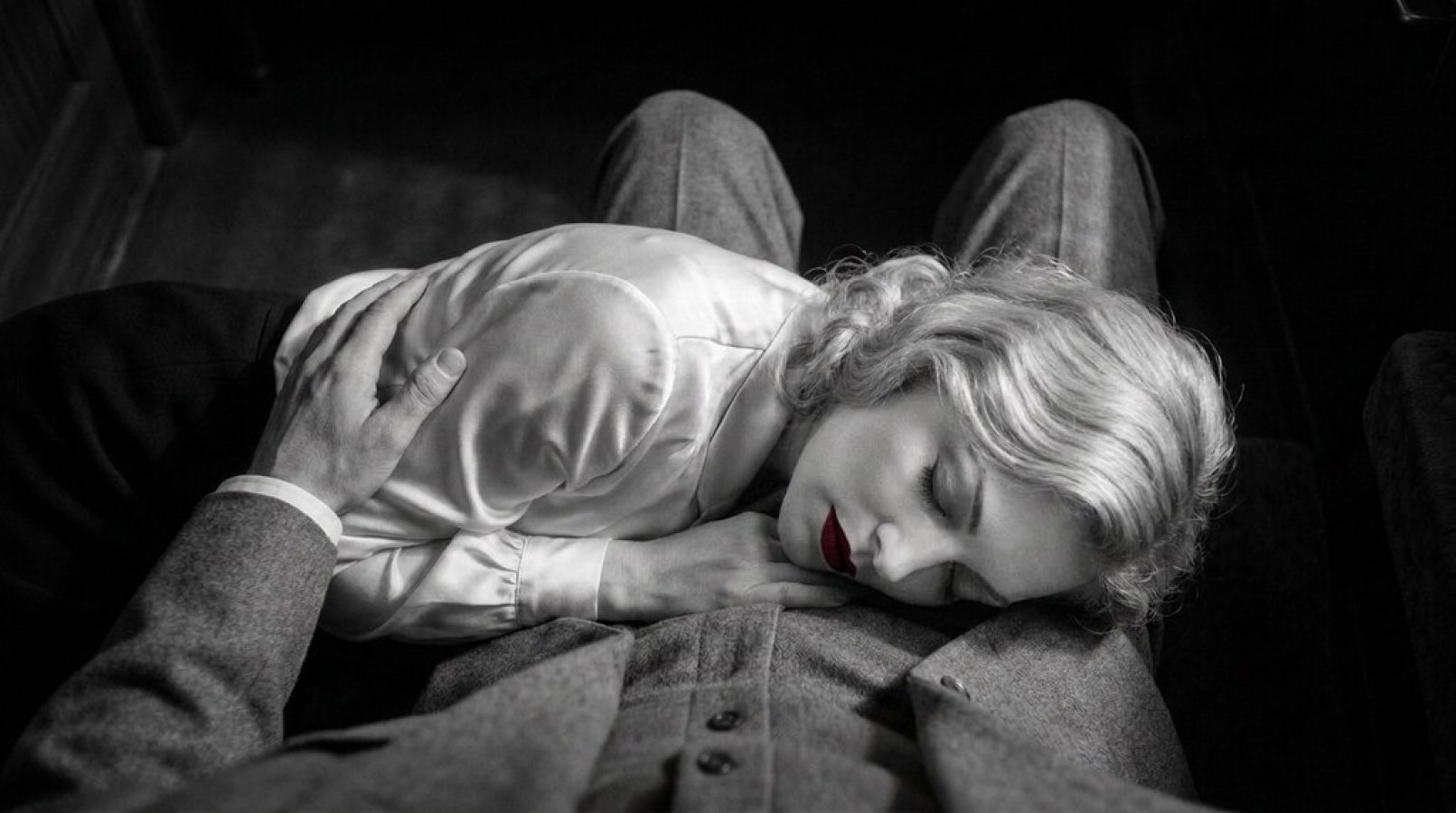
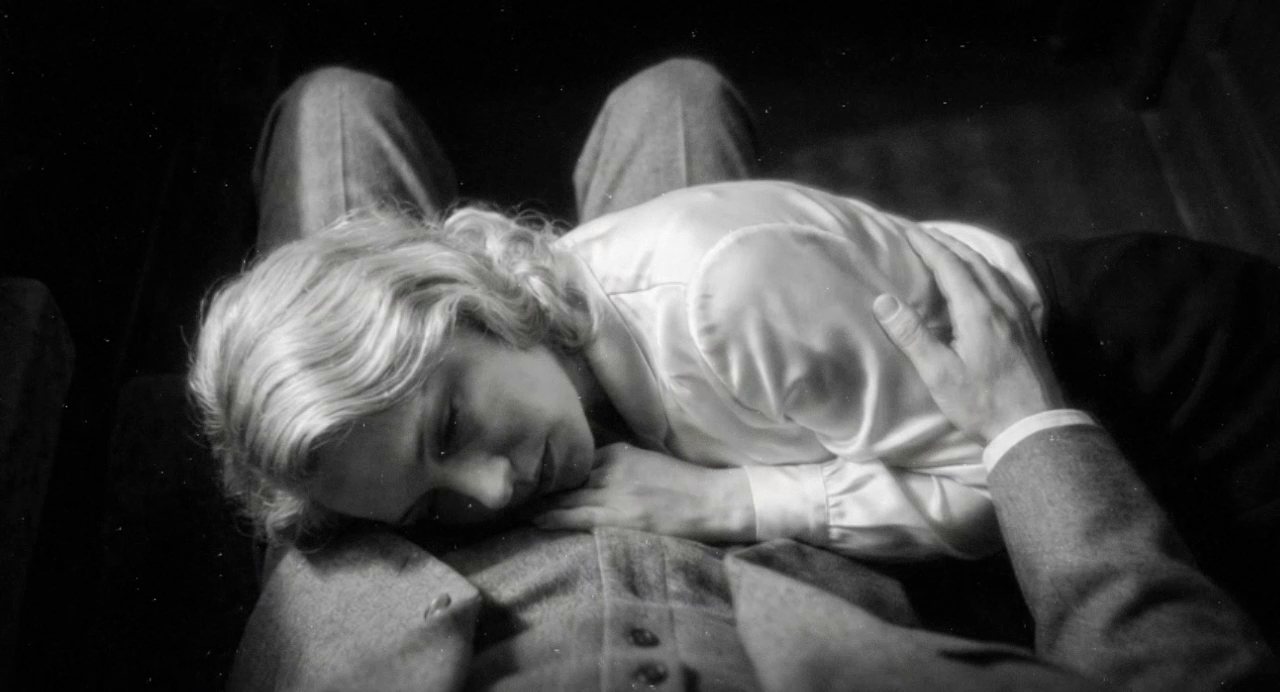
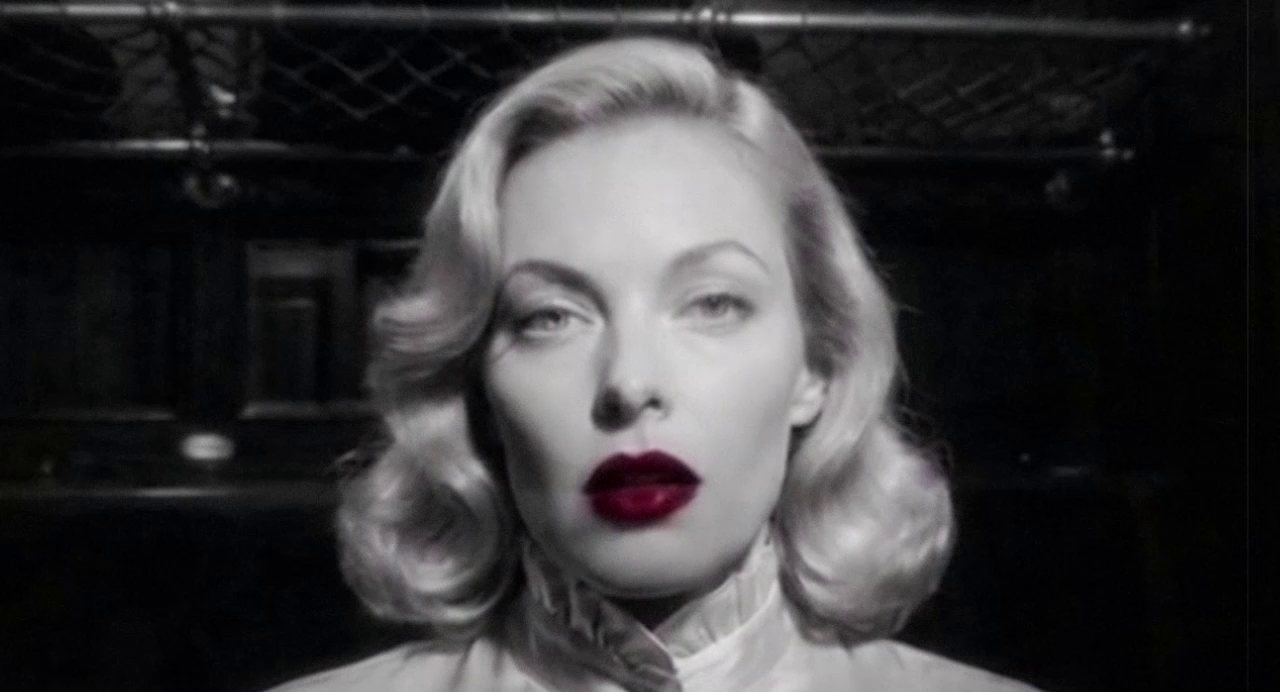
The reveal: closer and centred
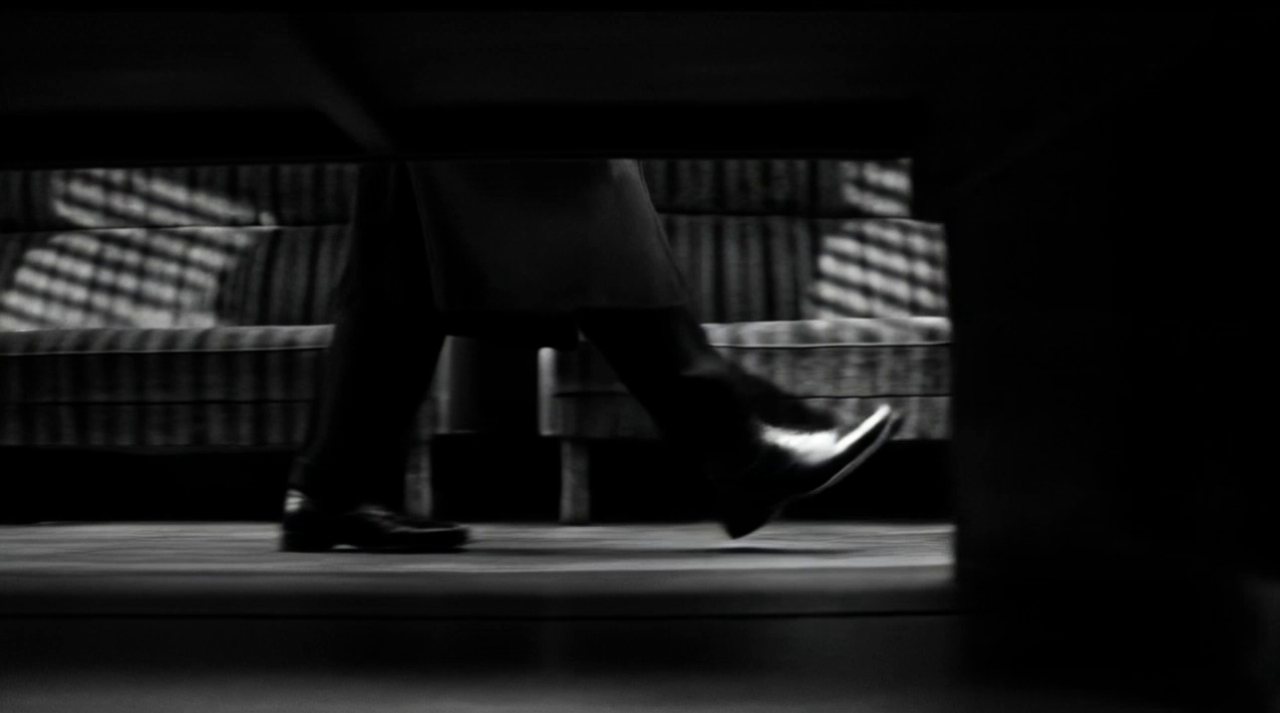
Choosing the right model. Seedance couldn’t keep the steps natural in the tracking shot of her feet; draft 6, with Kling 3.0, finally did.
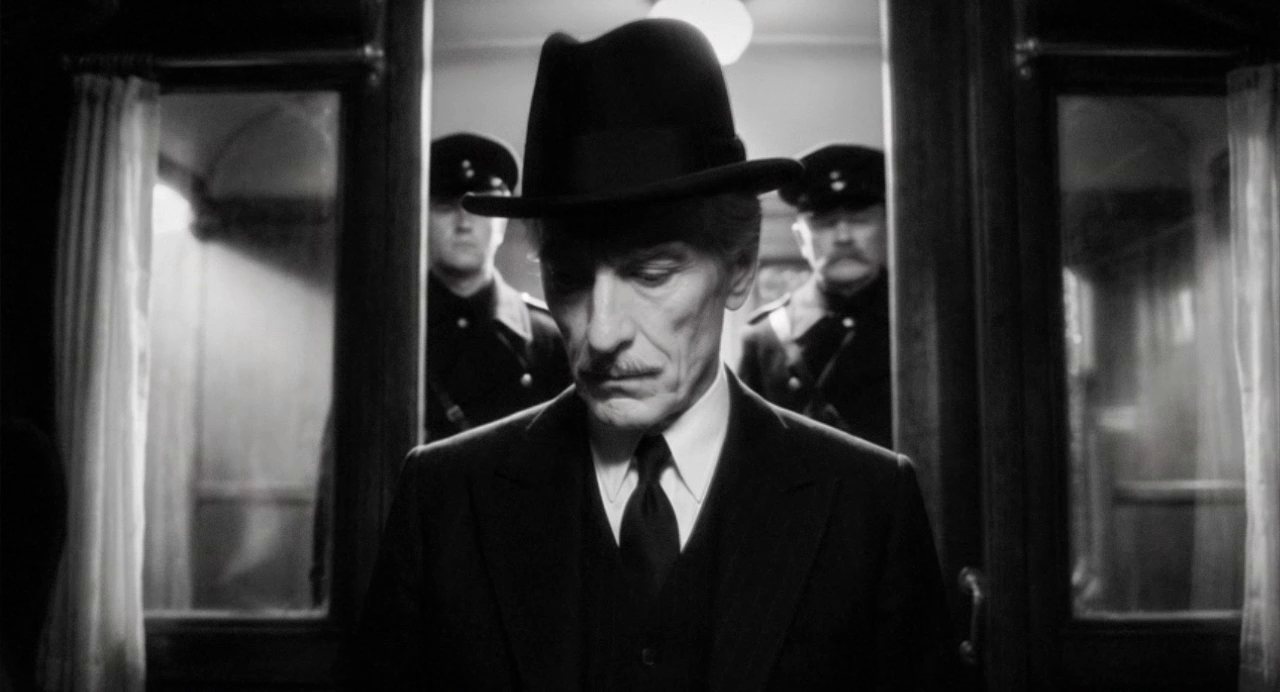
Frames within frames. The official fills the doorway, framed by the door as the storyboard asked.
06Post-production
Making it look like 1941
I edited every shot against the voice-over in After Effects and built the period look there: hard contrast, fine 35 mm grain, vignetting and the slight gate weave of an old projector, using After Effects scripts written with Claude. The voice-over and the noir score were made with ElevenLabs, and the train ambience with AI sound.
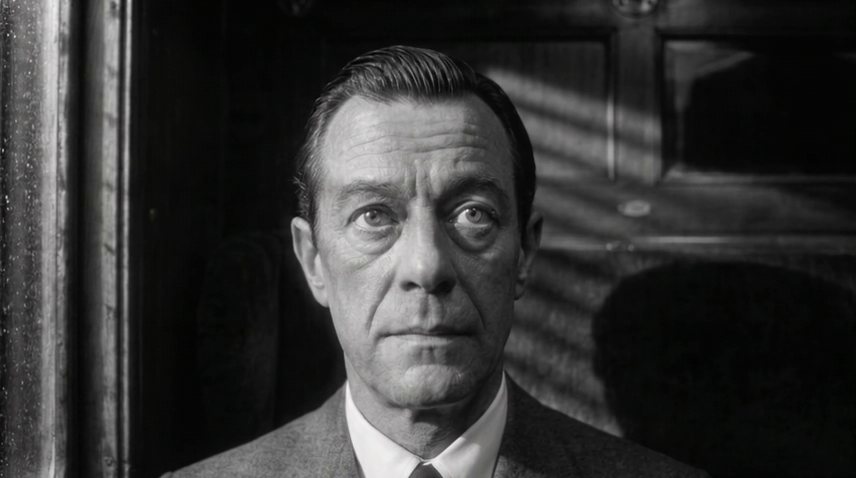
As generated.
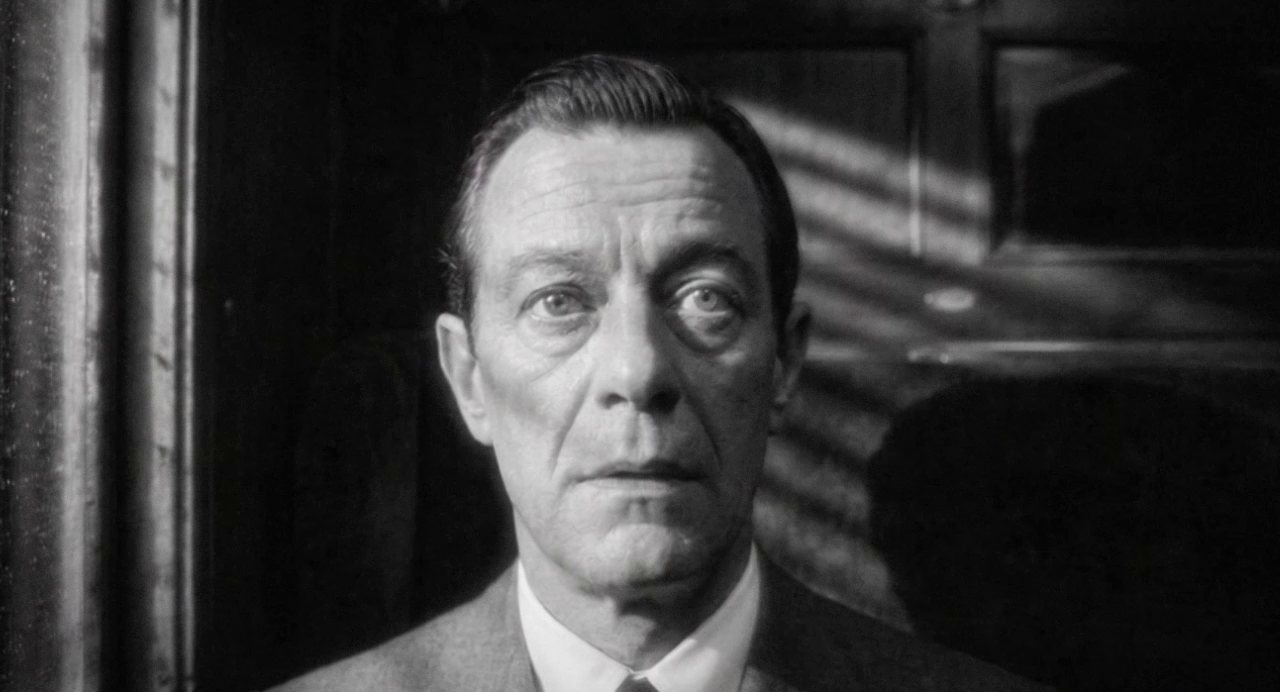
In the film: contrast, grain and vignetting.
07The result
2:33 of film noir, on the festival circuit
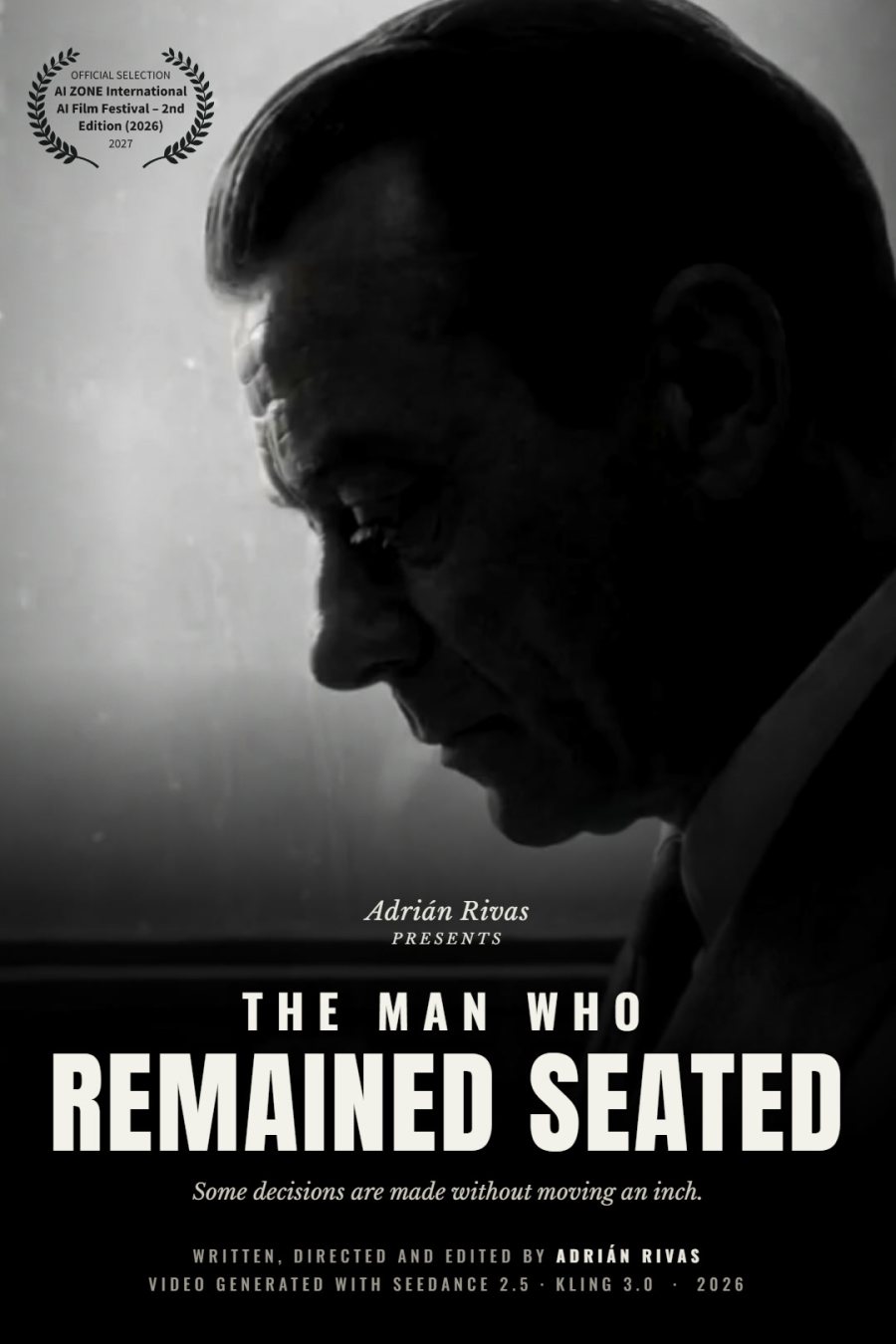
The 60-second storyboard grew into a 2:33 film once the voice-over told the whole story. It is in English, with a Spanish-subtitled version.
I used the same method in my other AI shorts, Give Me a Light and Carl Goes to Space.
08What I learned
Consistency is designed, not generated
The same method works for a brand: a campaign needs the same faces, places and light across dozens of images and formats.
A bible before the first shot
Characters, set and light are fixed in references first. Every shot is checked against them, not against memory.
Approve the still, then the motion
A still frame is cheap to fix; a video isn’t. Nothing moves until its frame is right.
Leave nothing open
Each prompt names one action, the light source, the exact final state of the shot and what must not happen. Whatever you leave open, the model invents.
More work